
AI-Powered Medical Imaging
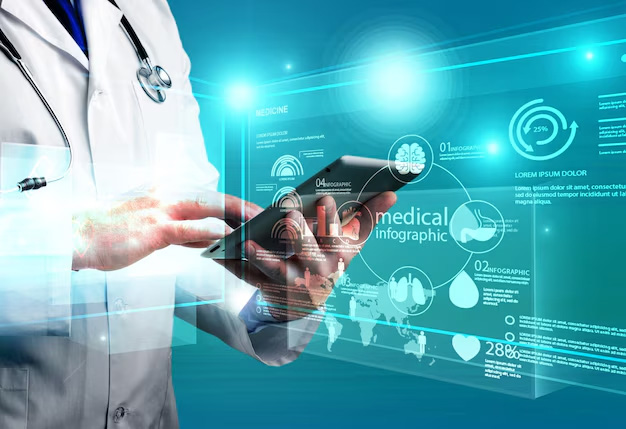
Transforming Diagnostics for the Future 1. Introduction Artificial Intelligence (AI) is revolutionizing medical imaging, enhancing diagnostic accuracy, efficiency, and patient care. With AI-powered solutions, healthcare professionals can analyze complex medical images faster and with greater precision, leading to improved decision-making and early disease detection. AI in Imaging AI-driven imaging technology is reshaping diagnostics by identifying patterns, detecting anomalies, and reducing human errors. These intelligent systems assist radiologists and clinicians in interpreting medical scans with remarkable speed and accuracy, ultimately improving patient outcomes. Image Conversion Seamless image conversion is essential for interoperability in medical imaging. Advanced AI solutions enable quick and efficient conversion of medical images across formats like DICOM, BMP, PNG, and more, ensuring compatibility across different healthcare systems and diagnostic tools. De-identification Protecting patient privacy is a top priority in medical imaging. Automated de-identification tools use AI to remove sensitive patient information from medical images while preserving data integrity, ensuring compliance with healthcare regulations such as HIPAA and GDPR. Annotation & Segmentation Accurate image annotation and segmentation are critical for AI model training and medical research. AI-enhanced tools enable precise labeling of anatomical structures and abnormalities, making it easier to develop robust machine learning models for disease detection and treatment planning. 3D Visualization 3D visualization technology brings medical imaging to life by converting traditional 2D scans into detailed 3D models. This advancement allows doctors to examine complex anatomical structures more effectively, aiding in accurate diagnosis, surgical planning, and personalized treatment approaches. AI-driven medical imaging is not just an innovation—it’s the future of healthcare. At Princeton Medical Systems, we are dedicated to harnessing AI technology to enhance medical imaging solutions, improve diagnostic efficiency, and elevate patient care. Stay ahead with cutting-edge AI-powered imaging solutions designed for a smarter, more efficient healthcare system. Addressing these limitations through improved standardization, regulatory approvals, and enhanced AI transparency will be crucial for Radiomics to realize its full potential in clinical applications. Conclusion AI-powered medical imaging is revolutionizing diagnostics by enhancing accuracy, efficiency, and patient care. From seamless image conversion and automated de-identification to precise annotation, segmentation, and 3D visualization, AI-driven solutions are transforming how medical professionals analyze and interpret images. At Princeton Medical Systems, we are committed to advancing medical imaging technology to empower healthcare providers with innovative, AI-enhanced tools. As AI continues to reshape the future of healthcare, adopting these intelligent solutions will lead to faster diagnoses, improved treatment planning, and better patient outcomes. The future of medical imaging is here—smarter, faster, and more precise than ever before.
AI in Fusion Of Pathomics, Radiomics, And Genomics in Lung Cancer
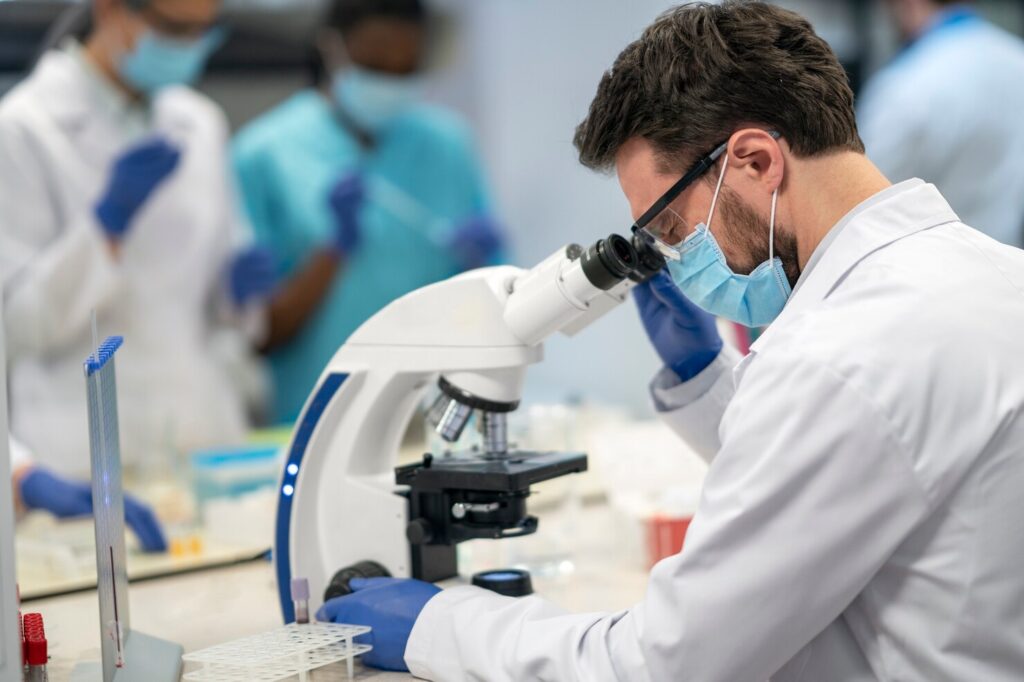
AI in Fusion Of Pathomics, Radiomics, And Genomics in Lung Cancer 1. Introduction The fusion of pathomics, radiomics, and genomics in lung cancer research and clinical practice is a rapidly evolving approach aimed at creating a more comprehensive understanding of the disease and improving patient outcomes. Each of these disciplines provides different but complementary insights into lung cancer biology, and when integrated, they can offer a more personalized and precise approach to diagnosis, prognosis, and treatment. “Success in healthcare innovation is not just about advancing technology, but about creating solutions that enhance lives and leave a lasting impact on patient care.” 1.1. Pathomics Definition: Pathomics refers to the use of computational methods to analyze and extract features from pathological images, typically derived from tissue biopsies. It focuses on the visual patterns in tissue samples, helping to identify biomarkers, tumor heterogeneity, and subtypes that are important for clinical decision-making. Application in Lung Cancer: In lung cancer, pathomics can provide insights into histopathological features, such as tumor microenvironment, cellular morphology, and tissue architecture, which may be predictive of patient outcomes and response to therapy. Technologies: This involves the use of techniques like whole slide imaging, deep learning, and machine learning algorithms to analyze tissue slides for automated identification of patterns related to tumor grade, metastatic potential, and molecular signatures. 1.2. Radiomics Definition: Radiomics involves the extraction of large amounts of quantitative data from medical imaging, such as CT scans, MRIs, and PET scans. These data represent texture, shape, and intensity features from the images that might not be visible to the naked eye but are significant for understanding disease behavior. Application in Lung Cancer: Radiomic features can reveal tumor characteristics like size, shape, and heterogeneity, which can be linked to specific genetic mutations or molecular subtypes of lung cancer. Radiomics can also be used to assess tumor response to therapy and predict prognosis. Technologies: It typically involves high-throughput image analysis tools that use machine learning and artificial intelligence (AI) to uncover hidden patterns that relate to tumor biology, such as metabolic activity, tumor necrosis, and vascularity. 1.3. Genomics Definition: Genomics refers to the study of the genetic makeup of cancer cells. It involves analyzing mutations, gene expression profiles, and other molecular alterations to understand the molecular drivers of cancer. Application in Lung Cancer: In lung cancer, genomic testing can identify specific mutations (e.g., EGFR, ALK, KRAS) and other alterations that influence treatment choices, such as targeted therapies and immunotherapies. It also helps to understand resistance mechanisms and disease progression. Technologies: High-throughput sequencing technologies, such as next-generation sequencing (NGS), allow for comprehensive profiling of tumor DNA or RNA to identify mutations, copy number alterations, and gene expression patterns. 2. Fusion of Pathomics, Radiomics, and Genomics in Lung Cancer 2.1. Advantages Integrating these three fields into a unified model can significantly enhance our ability to: Improve Diagnosis: Pathomics can complement radiomics in identifying early-stage tumors or subtle tissue changes, and genomics can provide the molecular context to differentiate between benign and malignant growths. Together, these tools help in better defining cancer types, grades, and the risk of metastasis. Personalized Treatment: By combining genomic data with pathologic and radiologic features, clinicians can make more informed decisions about which treatments (e.g., targeted therapies, immunotherapy, or chemotherapy) are most likely to be effective for individual patients. For instance, specific genomic mutations might be associated with particular radiomic features or histological patterns. Prognostic Prediction: Combining all three data types can provide better prognostic information. For example, the combination of tumor imaging (radiomics) with molecular data (genomics) can predict patient survival more accurately than either data set alone. Pathomics can reveal tumor aggressiveness, while genomics might uncover genetic factors that influence tumor behavior. Treatment Monitoring and Response Evaluation: Radiomics can be used to assess changes in the tumor during or after treatment, while pathomics can provide detailed tissue insights, and genomics can indicate whether genetic mutations are evolving (e.g., development of resistance to therapy). A multi-modal approach can offer real-time monitoring of how a tumor is responding to treatment and whether there are emerging mechanisms of resistance. 2.2. Challenges Data Integration: One of the primary challenges is the integration of these heterogeneous data types—imaging data (radiomics), pathological data (pathomics), and genetic data (genomics). This requires robust computational frameworks and interdisciplinary collaboration. Standardization: There is a lack of standardized protocols for data collection, analysis, and interpretation, particularly in radiomics and pathomics. Uniform standards are crucial for ensuring reproducibility and clinical applicability. Large-scale Validation: While the integration of these data types has shown promise in research, large-scale clinical trials and validations are necessary to establish clinical utility. AI and Machine Learning: The development of advanced AI algorithms for integrating multi-omics data (pathomics, radiomics, genomics) is a key area of research. These tools can help identify complex patterns and interactions that human analysts might miss, leading to more accurate predictions. 3. AI Model for Fusion Of Pathomics, Radiomics, And Genomics in Lung Cancer Creating an AI model for the fusion of pathomics, radiomics, and genomics in lung cancer involves combining data from different modalities to generate a more comprehensive and personalized approach to diagnosis, treatment, and prognosis. The goal is to leverage AI’s capability in extracting meaningful insights from large, complex datasets, enabling better decision-making and clinical outcomes. Below is a conceptual outline of how such an AI model can be built, its components, and the potential methods used for integration. 3.1. Data Acquisition Before we can build an AI model, we need to gather data from the three sources: Pathomics Data: High-resolution images of lung cancer tissue samples (often from biopsies) obtained via Whole Slide Imaging (WSI). These images are analyzed to extract morphological and histopathological features. Radiomics Data: Radiological images, such as CT scans, MRIs, and PET scans, are processed to extract quantitative features (shape, texture, intensity, etc.) that may correlate with tumor properties like aggressiveness and heterogeneity. Genomics Data: DNA/RNA sequencing data that provides information on mutations, gene expression profiles, copy number alterations, and other molecular alterations relevant
Radiomics
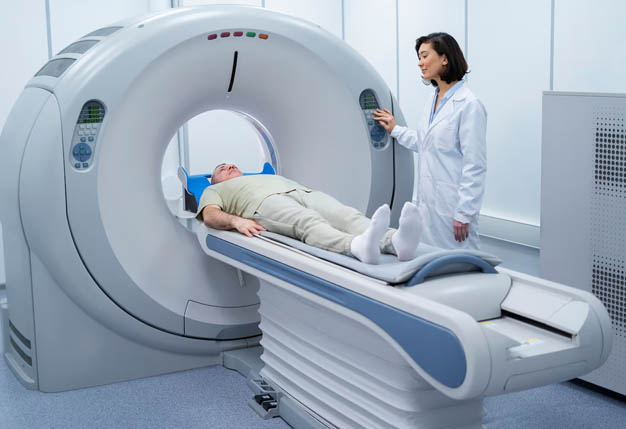
Radiomics: AI in Medical Imaging 1. Introduction Medical imaging has played a crucial role in diagnosing and treating various diseases, offering detailed internal views of the human body. However, traditional imaging interpretation largely depends on human expertise, which can be subjective and prone to variability. Radiologists often rely on visual assessments, which can sometimes overlook subtle patterns indicative of disease progression. This limitation has led to the emergence of Radiomics, an AI-powered approach that extracts vast amounts of quantitative data from medical images to improve diagnostic precision, prognosis, and treatment strategies. Radiomics leverages artificial intelligence (AI) and machine learning (ML) to analyse high-dimensional datasets obtained from imaging modalities such as MRI, CT, and PET scans. Unlike conventional imaging techniques that rely on qualitative assessments, Radiomics converts imaging data into numerical features, enabling a more objective and reproducible analysis. This approach facilitates early disease detection, treatment response prediction, and personalized medicine by identifying patterns beyond the scope of human observation. With recent advancements in AI and computational techniques, Radiomics is rapidly evolving. Techniques such as deep learning-based Radiomics (DLR) and self-supervised learning are improving feature extraction and reducing dependency on manually labelled data. Additionally, the integration of multimodal imaging and genomic data—known as radiogenomics—is revolutionizing precision medicine by uncovering hidden correlations between imaging biomarkers and genetic mutations. As Radiomics gains traction in clinical practice, regulatory frameworks and validation protocols are being developed to ensure its widespread adoption. With AI-driven automation, federated learning for privacy-preserving collaborations, and explainable AI models, Radiomics is poised to redefine medical imaging and enhance patient outcomes significantly. This paper explores the fundamentals, applications, challenges, and future directions of Radiomics, highlighting its transformative impact on modern healthcare. 2. What is Radiomics? Radiomics is an advanced field of medical imaging analysis that involves extracting a large number of quantitative features from medical scans to uncover hidden patterns in diseases. These features, which include shape, texture, intensity, and spatial relationships, provide insights beyond what can be seen with the human eye. By applying artificial intelligence (AI) and machine learning (ML) algorithms, Radiomics translates complex imaging data into meaningful patterns that aid in diagnosis, prognosis, and treatment planning. At its core, Radiomics follows a structured workflow that includes image acquisition, preprocessing, feature extraction, feature selection, and predictive modelling. Image acquisition involves obtaining high-quality scans from modalities like MRI, CT, and PET, ensuring standardized imaging protocols to minimize variations. The preprocessing stage focuses on enhancing image quality by normalizing pixel intensity, removing artefacts, and segmenting regions of interest. Feature extraction is a key step where mathematical algorithms compute hundreds to thousands of imaging biomarkers. These biomarkers are categorized into first-order statistical features (e.g., mean pixel intensity), shape-based features (e.g., tumour roundness), texture features (e.g., spatial heterogeneity), and higher-order features derived from wavelets or deep learning models. Feature selection techniques then refine the dataset by eliminating redundant or irrelevant features to improve predictive performance. Machine learning algorithms such as Random Forest, Support Vector Machines (SVM), Neural Networks, and Convolutional Neural Networks (CNNs) analyse the extracted features to create predictive models. Recent advancements, including deep learning-based Radiomics (DLR), enable automatic feature learning without manual intervention. Furthermore, multimodal AI models integrating clinical, genomic, and imaging data are enhancing the accuracy of Radiomics predictions. Radiomics is bridging the gap between traditional medical imaging and precision medicine by providing objective, data-driven insights. As AI and computational power continue to advance, Radiomics is expected to play an increasingly important role in clinical decision-making, transforming the landscape of diagnostic and therapeutic strategies. 3. Applications of Radiomics Radiomics has a wide range of applications across various medical fields, making it an essential tool in modern healthcare. By extracting high-dimensional features from medical images, Radiomics provides valuable insights that can significantly improve disease diagnosis, prognosis, and treatment monitoring. Below are some of the key areas where Radiomics is making a transformative impact: 3.1 Oncology One of the most significant applications of Radiomics is in oncology. Radiomics aids in tumour detection, classification, and prediction of tumour behaviour, allowing for more accurate treatment planning. By identifying imaging biomarkers, Radiomics enhances precision oncology, where treatments are tailored to individual patients based on their tumour characteristics. Recent studies have demonstrated that Radiomics can predict immunotherapy response, enabling oncologists to select the most effective therapies. Additionally, radiogenomics, which integrates Radiomics and genomic data, is improving cancer research by linking imaging features with genetic mutations. This approach helps in understanding tumour heterogeneity and drug resistance mechanisms. Moreover, AI-driven Radiomics is now being combined with liquid biopsy, a non-invasive technique that detects circulating tumour DNA in blood samples. This integration is paving the way for next-generation, non-invasive cancer diagnostics. 3.2 Neurology Radiomics has shown great potential in neurology, particularly in identifying imaging biomarkers for neurodegenerative diseases such as Alzheimer’s, Parkinson’s, and multiple sclerosis. By analysing subtle changes in brain structure and texture, Radiomics enables early disease detection, which is crucial for timely interventions. It also helps in monitoring disease progression and evaluating the effectiveness of treatments. In stroke management, AI-powered Radiomics has improved lesion segmentation, aiding in more precise prognosis and treatment strategies. Researchers are also exploring Radiomics-based methods to assess traumatic brain injury (TBI) and detect early-stage multiple sclerosis (MS) through detailed brain lesion analysis. With continued advancements, Radiomics is expected to play an increasing role in the diagnosis and management of neurological disorders. 3.3 Cardiology Radiomics has been instrumental in improving the diagnosis and prognosis of cardiovascular diseases. By analysing patterns in cardiac imaging, Radiomics enhances the detection of coronary artery disease, heart failure, and arrhythmias. AI-driven Radiomics models can predict cardiovascular events with high accuracy using cardiac MRI and CT scans, leading to better risk stratification and early interventions. New developments in Radiomics-based risk stratification for sudden cardiac death are underway, providing valuable insights into high-risk patients. Moreover, researchers are working on integrating Radiomics with wearable health monitoring devices to offer real-time cardiac risk assessments, enabling continuous and personalized heart health monitoring. 3.4 Pulmonology Radiomics plays a critical role in the early diagnosis and